
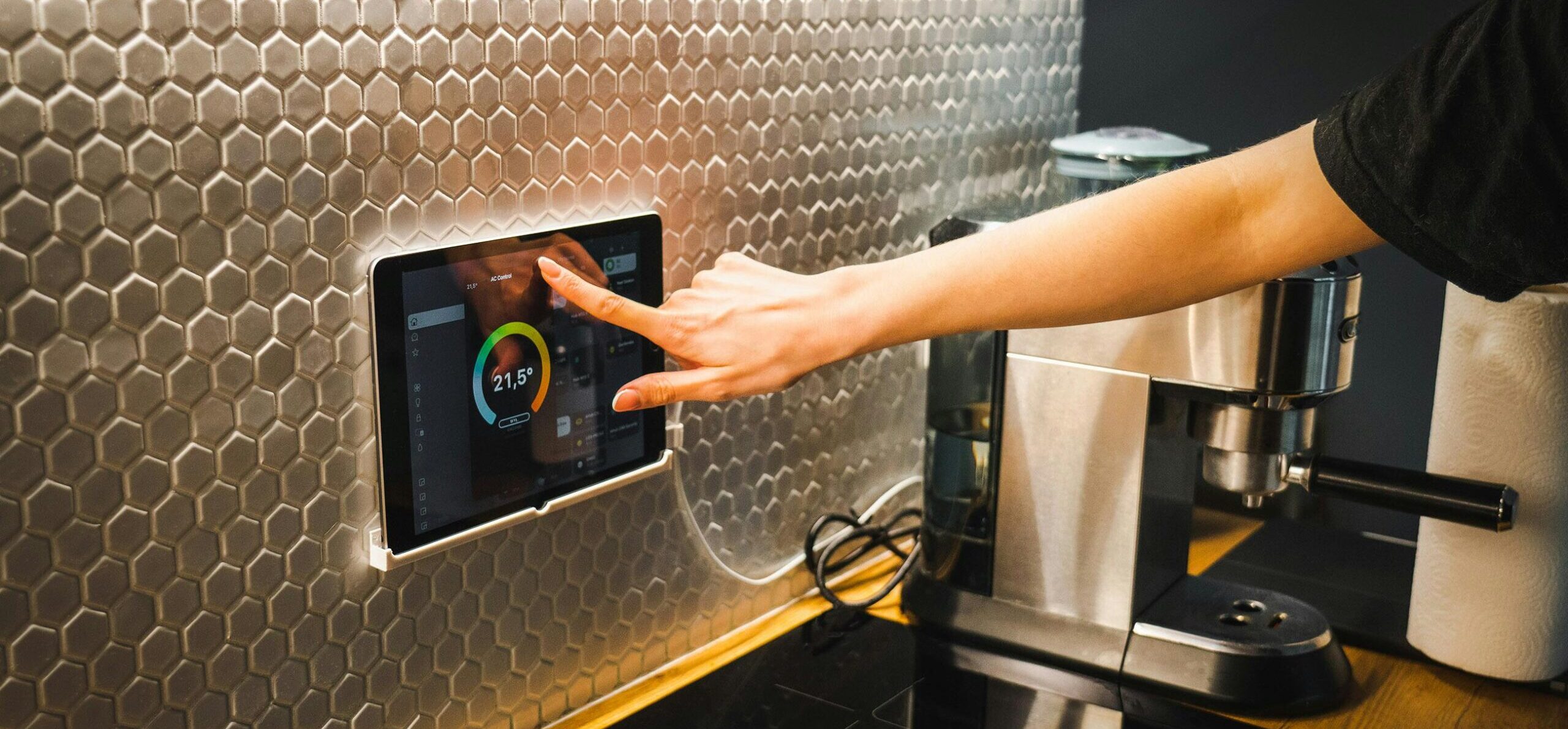
The Complete Smart Home Guide (2026)
Last updated: May 30, 2026
Welcome to the future of living. For decades, the concept of the “smart home” felt like something reserved for science fiction movies – a futuristic palace where lights dimmed at the flick of a wrist and the coffee maker started brewing automatically. Today, however, smart technology is rapidly integrating into everyday life, making homes more efficient, more secure, and undeniably more convenient. But for the average homeowner, the sheer number of options – from smart bulbs and voice assistants to robotic vacuums and advanced thermostats – can feel overwhelming. Where do you even begin?
This guide is your definitive roadmap. We understand that buying smart technology should feel empowering, not confusing. At VaceLabs, our mission is to cut through the marketing jargon and provide clear, unbiased guidance so that you can make informed decisions that truly fit your lifestyle and budget. We exists to cut through the noise and help you make
confident smart home decisions, guiding you step-by-step through the process of building a home that works for you.
Over the next few sections, we will demystify every major component of the smart home ecosystem. We will cover everything from the foundational voice assistants to advanced security systems, helping you understand not just what technology exists, but why it matters and how it fits together. By the end of this guide, you won’t just know what a smart home is; you’ll have a clear, actionable plan to build yours.
Getting Started with Smart Home Automation
The smart home journey doesn’t require a massive investment or a complete overhaul of your existing house. The best approach is to start small, solve a specific pain point, and then expand outward. Think of it like building with LEGOs: you start with a few basic bricks and gradually build a complex structure.
Before buying anything, the most critical step is determining your desired “ecosystem.” An ecosystem is simply the network of devices and services that talk to each other. The two major players dominate this space: Amazon (with Alexa) and Google (with Google Assistant). While some devices are designed to work across multiple platforms, choosing a primary hub helps ensure seamless integration. For instance, if you are deeply embedded in the Google services (like Calendar and Maps), basing your smart home on Google Assistant might offer a more intuitive experience. Conversely, if you rely heavily on Amazon services, Alexa integration will feel natural.
If the concept of ecosystems and compatibility feels daunting, we have compiled a guide detailing the best smart home devices for beginners. This resource helps you understand the foundational elements needed to start automating your life. Furthermore, for those ready to take the next step, our detailed guide on how to set up a smart home for beginners provides a step-by-step process, covering everything from initial planning to advanced routines.
Smart Speakers and Voice Control: The Brain of the Home
At the heart of nearly every modern smart home is the smart speaker. These devices act as the central nervous system, allowing you to control lights, thermostats, locks, and more using nothing but your voice. They are the primary interface through which all other smart devices communicate.
While many smart speakers perform similar functions – playing music, answering questions, and executing commands – the underlying intelligence and compatibility can differ significantly. Choosing the right smart speaker is paramount because it dictates which features and services your entire home can access. For example, one assistant might have deeper integration with specific kitchen appliances, while another might offer superior calendar management.
If you are trying to decide between the two leading platforms, understanding the nuances between the Amazon Echo Dot vs Google Nest Mini is crucial. The deciding factor should be your primary use case – whether you prioritize Amazon’s vast third-party skill ecosystem or Google’s deep integration with information and services. Regardless of which brand you choose, the smart speaker is the foundational piece that makes all the other devices useful.
Smart Lighting: Ambiance and Efficiency
Smart lighting is perhaps the most immediately noticeable and satisfying upgrade for a new smart home. It goes far beyond simply turning lights on and off; it allows you to control color, brightness, and intensity based on your activity or the time of day. This capability not only enhances ambiance but also provides tangible energy savings.
Imagine setting a “Movie Night” scene where the overhead lights dim and the accent lamps shift to a warm, cinematic glow. Or, imagine setting a “Good Morning” routine where the bedroom lights slowly brighten over 30 minutes, mimicking a natural sunrise. This level of control is nearly impossible with traditional switches.
Getting started with smart lighting is remarkably simple, often requiring just a starter kit and smart bulbs or strips. If you are looking for a reliable and comprehensive entry point into smart illumination, exploring the best Philips Hue starter kit is highly recommended. These kits provide the necessary bulbs, hubs, and initial components to build a robust and scalable lighting system throughout your home.
Smart Security: Peace of Mind at Your Fingertips
For many homeowners, the primary motivation for smart technology is security. A smart security system offers layers of protection that go far beyond a traditional alarm system. You can monitor who is coming and going, receive real-time alerts, and even interact with visitors remotely.
The most common entry point into smart security is the video doorbell. These devices allow you to see, hear, and communicate with anyone at your door, whether you are home or across the globe. They often include motion detection, package recognition, and recording capabilities, turning your entryway into a monitored command center.
When comparing these vital components, understanding the differences between major brands is key. Our detailed comparison of the Ring Video Doorbell vs Nest Doorbell helps homeowners match the right features – be it advanced facial recognition or superior integration with existing security networks – to their specific lifestyle and peace of mind needs. Smart security components, including cameras, smart locks, and motion sensors, are essential additions to any modern, automated dwelling.
Robot Vacuums & Cleaning: Automation for Daily Life
While not strictly an “automation” device in the way a light switch is, a robotic vacuum cleaner is one of the most popular and impactful smart home additions. It provides consistent, automated cleaning that drastically reduces the amount of physical chore time required each week.
Modern robot vacuums are far more sophisticated than their predecessors. They use advanced mapping technology (like LiDAR or vSLAM) to navigate complex floor plans, avoiding obstacles, and even mapping “no-go zones” where you might have delicate cables or pet toys. The best models can even detect and clean up pet waste, a feature that has revolutionized pet ownership.
If you are looking for an entry-level, high-performance machine without breaking the bank, we have reviewed the best robot vacuum under $300. However, the market is constantly evolving, and performance varies wildly. For those comparing the industry heavyweights, understanding the differences between brands like iRobot and Roborock is crucial. Our comprehensive Roborock vs Roomba comparison helps you move beyond simple brand loyalty and focus instead on your actual cleaning pain points – whether that’s deep carpet cleaning, edge vacuuming, or self-emptying capability.
Smart Plugs & Switches: The Easiest Entry Point
If the sheer complexity of coordinating hubs, bulbs, and sensors seems overwhelming, the smart plug is your perfect starting point. Smart plugs are arguably the easiest and most cost-effective way to inject “smart” capabilities into existing, non-smart appliances. They act as an intermediary, allowing you to control any device plugged into them – from a fan to a desk lamp – using voice commands or a smartphone app, even if the device itself is old and dumb.
A simple smart plug can transform a non-smart fan into a voice-controlled accessory. It doesn’t require rewiring, complex programming, or specialized knowledge. You simply plug it into a wall outlet, plug your device into the smart plug, and connect it to your chosen smart ecosystem.
When selecting these foundational devices, compatibility is everything. We provide detailed advice on finding the best smart plug that works with Alexa, ensuring you select a plug that integrates flawlessly with your chosen voice assistant and allows for reliable automation routines.
Smart Thermostats: Efficiency and Comfort
Energy consumption is a major concern for most homeowners, and the HVAC system is often the single largest consumer of energy. A smart thermostat is a powerful tool for both comfort and cost savings. Unlike traditional programmable thermostats that only allow you to set a few fixed schedules, smart thermostats learn your habits, adapting temperature zones based on occupancy, weather forecasts, and even whether you’ve left the house.
They offer geo-fencing capabilities, meaning they can automatically raise the temperature when the last person leaves the house and begin cooling or heating just before you are scheduled to return. This ensures comfort without wasting energy while you are away.
A key consideration when purchasing a smart thermostat is the age and wiring of your home. Older structures often have unique wiring setups that require specialized solutions. Therefore, if you are dealing with an older house, it is crucial to read our guide on the best smart thermostat for old houses to ensure compatibility and proper installation.
Budget Smart Home: Getting Started Affordably
The myth that building a smart home requires a six-figure budget is false. Smart technology has become increasingly accessible, offering high-quality components at entry-level prices. You absolutely do not need to spend a fortune to experience the core benefits of automation.
The goal for the beginner is not maximum automation, but maximum impact per dollar spent. By focusing on high-return, low-cost devices – like smart plugs, smart bulbs, and basic voice assistants – you can create a functional, enjoyable, and automated environment without significant financial risk. We have curated a guide specifically designed to help you maximize your spending power, detailing the best smart home devices under $100.
Building Your Smart Home – A Recommended Roadmap
Now that you understand the individual components, let’s put them into a practical sequence. While there is no single “correct” order, following a logical progression will save you time, money, and frustration.
Step 1: Establish the Foundation (The Brain)
Start with your central control point. This is typically a smart speaker. Decide whether your home will operate primarily on the Google Assistant or Alexa ecosystem, and purchase the corresponding smart speaker. This decision anchors your entire system.
Step 2: Implement the Quick Wins (The Plugs)
Next, tackle the easiest upgrades: smart plugs. By using a reliable smart plug that works with Alexa, you can instantly automate non-smart devices like lamps, humidifiers, and fans. This gives you immediate, tangible results and builds confidence in the system.
Step 3: Control Climate and Light (The Core Systems)
The next two critical steps are optimizing comfort and efficiency. Install a smart thermostat. This will provide immediate energy savings and comfort benefits. Simultaneously, upgrade your lighting using a Philips Hue starter kit. Controlling lighting via voice is one of the most satisfying smart home experiences.
Step 4: Add Security and Maintenance (The Perimeter)
Once the core systems are running smoothly, expand to security and maintenance. Install a smart video doorbell to monitor entry points, making use of comparisons like the Ring Video Doorbell vs Nest Doorbell guide. Finally, integrate a robot vacuum. This provides automated maintenance that complements your core automation routines. When comparing models, keep the Roborock vs Roomba comparison in mind to select the best fit for your floor plan.
Step 5: Advanced Routines and Expansion
Finally, you can tackle complex automations. This might involve linking your smart plugs to your smart thermostat, or setting a routine that turns off all lights and locks the doors when the smart doorbell detects no movement for several minutes. If you need guidance on coordinating these advanced elements, revisit our how to set up a smart home for beginners guide. Remember, every step builds upon the last, turning a collection of gadgets into a cohesive, intelligent home.
Conclusion: The Journey Starts Now
Building a truly smart home is not about having the most expensive gadgets; it’s about enhancing the quality of life, saving energy, and creating peace of mind. It is a journey of thoughtful upgrades, one device at a time.
If the sheer scale of the technology feels daunting, remember to take it slow. Start with a single, manageable project – maybe automating the lights in your living room, or setting up a routine that adjusts your thermostat when you leave for work. By focusing on these small, impactful wins, you build momentum and confidence.
For a detailed, actionable plan on where to start your automation journey, please consult our comprehensive guide on how to set up a smart home for beginners. VaceLabs is committed to keeping you informed about the latest advancements in smart living, ensuring you have all the knowledge needed to build the home of your dreams. Happy automating!