Best Smart Home Devices For Beginners
As an expert reviewer, my goal is to cut through the noise. Based on our extensive research and analysis of user feedback, we have curated the absolute best entry points into the smart home world. Whether you are looking for maximum simplicity, the lowest cost, or a specific function like security, we provide a comprehensive guide to help you build your perfect smart home without the headache. We focus only on products that offer proven value and ease of setup for the absolute beginner.
The Best Smart Home Devices for Beginners: Quick Comparison
To save you time, here is a comparison of the top recommended starter kits, covering the essentials: smart speakers, plugs, and bulbs.
| Product | Primary Use | Price | Rating / Reviews | Best For |
|---|---|---|---|---|
Amazon Echo Dot (5th Gen)Smart Speaker | Voice control, routines, basic automation. | $49.99 | 4.7/5 (284,301) | Alexa users, cost-conscious starts. |
Amazon Smart PlugSmart Plug | Automating existing appliances (lamps, fans). | $24.99 | 4.6/5 (412,897) | The single easiest and most affordable start. |
Philips Hue White Bulb Starter KitSmart Lighting | Automating lighting, creating moods. | $83.99 | 4.5/5 (67,823) | Aesthetic upgrades, reliable lighting control. |
Google Nest Mini (2nd Gen)Smart Speaker | Voice control, Google services integration. | $109.99 | 4.6/5 (189,432) | Google ecosystem users, voice commands. |
Ring Video Doorbell (2nd Gen)Security Camera | Remote video monitoring, security alerts. | $99.99 | 4.4/5 (156,234) | Security focus, peace of mind. |
Selecting Your Smart Home Starting Point
To help you decide which category is right for you, we have compiled detailed reviews for the top five devices. Remember, the best smart home is the one that solves the problems you actually have!
Amazon Echo Dot (5th Gen) Smart Speaker with Alexa
For most beginners, the smart speaker is the ideal starting point. The Echo Dot is a highly rated entry point into voice-controlled technology, allowing you to control other devices, play music, set timers, and get information using simple voice commands. According to verified buyers, its integration with Alexa makes it incredibly versatile, acting as the central brain for a growing smart home ecosystem.
The device’s small size makes it unobtrusive, and its 5th Generation model offers improved sound quality compared to previous iterations. It excels at setting up routines—for example, saying “Alexa, good night” can simultaneously turn off the lights, lock the doors, and set the thermostat. This capability alone provides immense value for a first-time smart home owner.
Pros and Cons
- ✅ Pros: Excellent voice command recognition; vast compatibility with third-party devices; highly affordable entry point.
- ❌ Cons: Reliance on the Alexa ecosystem; advanced features may require additional, more expensive hardware.
Our Verdict
The Echo Dot is arguably the best “first purchase” because it establishes the voice control foundation of your smart home. It is highly recommended for those who want to experiment with automation and routines without a major financial commitment. Check the Echo Dot price and details here.
Amazon Smart Plug, Works with Alexa
If you are hesitant about buying a smart speaker, or if you already have a preferred voice assistant, the smart plug is the single easiest and most affordable way to start. These plugs allow you to turn any standard appliance—like a desk lamp, a fan, or a decorative water fountain—into a smart device. You simply plug the smart plug into the wall, plug the appliance into the smart plug, and use voice commands or an app to control it.
The reliability of the Amazon Smart Plug is evident from its high review count and strong rating. It removes the guesswork of smart home integration. Instead of needing to buy smart-specific appliances, you can automate the things you already own. This practical approach makes it a perfect “Day One” purchase for beginners who want immediate, tangible results.
Pros and Cons
- ✅ Pros: Extremely affordable; instantly upgrades existing non-smart electronics; simple setup process.
- ❌ Cons: Only controls power (on/off); cannot handle devices requiring specialized smart connections (like complex lighting).
Our Verdict
For the absolute beginner, the smart plug is the gold standard starting device. It provides immediate, measurable value and confidence in the technology. If you only buy one thing, make it a smart plug to test the waters of automation. Check the Amazon Smart Plug here.
Philips Hue White Smart Bulb Starter Kit
Smart lighting is often cited as the most impactful and aesthetically pleasing smart home upgrade. The Philips Hue kit, specifically the white starter kit, allows you to automate the lighting in a room. You can set schedules—such as having the lights gradually turn on 30 minutes before you wake up—or control them remotely from anywhere in the world. According to user reviews, the reliability and consistency of the Hue system are unmatched.
While the initial investment is higher than a smart plug, the long-term convenience and ability to create specific “scenes” (e.g., “Movie Night” dims the lights and turns off overhead fixtures) justify the cost. Since this kit includes the necessary hub, it provides a robust foundation for lighting control that can be expanded later to include colored bulbs or other fixtures.
Pros and Cons
- ✅ Pros: High reliability and consistency; major aesthetic impact; excellent foundation for future lighting expansion.
- ❌ Cons: Highest initial cost among the starter items; requires a dedicated hub to function optimally.
Our Verdict
If your primary goal is home ambiance and reliable, consistent automation, the Philips Hue starter kit is a fantastic choice. It provides a noticeable quality-of-life improvement right out of the box. Explore the Philips Hue Starter Kit details here.
Google Nest Mini (2nd Gen) Smart Speaker
For users deeply embedded in the Google ecosystem (Gmail, Calendar, Google Maps, etc.), the Nest Mini is a powerful alternative to Alexa-powered devices. Its strength lies in its seamless integration with Google services. If your life revolves around Google Calendar and Google Assistant commands, the Nest Mini offers a more natural and integrated user experience.
Based on user feedback, the Nest Mini is highly capable for general smart home functions—controlling lights, playing music, and managing routines. The choice between Nest and Echo often comes down to which voice assistant you prefer and which services (Google vs. Amazon) you use most frequently in your daily life. It provides a reliable, voice-controlled centerpiece for your home.
Pros and Cons
- ✅ Pros: Superior integration with Google services; clean, intuitive Google Assistant experience; reliable voice commands.
- ❌ Cons: Ecosystem is slightly more restrictive than Alexa; features might require specific Google account setup.
Our Verdict
We recommend the Nest Mini if you are already a heavy Google user. It’s a solid, dependable choice that integrates flawlessly with your existing digital life. See the Google Nest Mini details here.
Ring Video Doorbell (2nd Gen)
While not a traditional automation device, the Ring Video Doorbell is often the first smart home purchase for those prioritizing security and peace of mind. It replaces your existing doorbell and provides crystal-clear video streaming, motion detection, and the ability to communicate with visitors remotely. According to verified buyers, the ease of installation and the immediate security uplift are massive selling points.
For beginners, starting with security can feel more urgent than starting with lighting. The Ring Doorbell provides a clear, actionable improvement to your home’s safety profile. It integrates with other smart security systems, making it a natural next step after establishing a smart speaker base.
Pros and Cons
- ✅ Pros: Immediate increase in home security; easy remote viewing and communication; excellent motion detection.
- ❌ Cons: Requires a subscription service for full functionality (video history); installation can be slightly more involved than a plug.
Our Verdict
If your primary concern is home security and knowing who is at your door, the Ring Video Doorbell is the clear winner. It’s a foundational security piece that pairs well with any smart speaker system. Review the Ring Video Doorbell here.
Building Your Smart Home: A Comprehensive Buying Guide
Now that you’ve seen the individual products, you might be asking, “What do I buy next?” Getting started is only the first step; understanding how to scale is key. Here is what our research suggests you should look for when expanding your smart home.
Prioritize Compatibility and Ecosystems
The single most important factor when buying smart devices is compatibility. A smart bulb from Brand A might not work with a hub designed for Brand B. Before making any purchase, determine which ecosystem you are committing to: Amazon (Alexa) or Google (Google Assistant). While many devices are designed to work with both, sticking to one major voice assistant ecosystem initially will ensure smoother setup, fewer compatibility headaches, and a more cohesive user experience. Start with the central hub (the smart speaker) and let that guide your peripheral purchases.
Understand the Difference Between Hubs and Devices
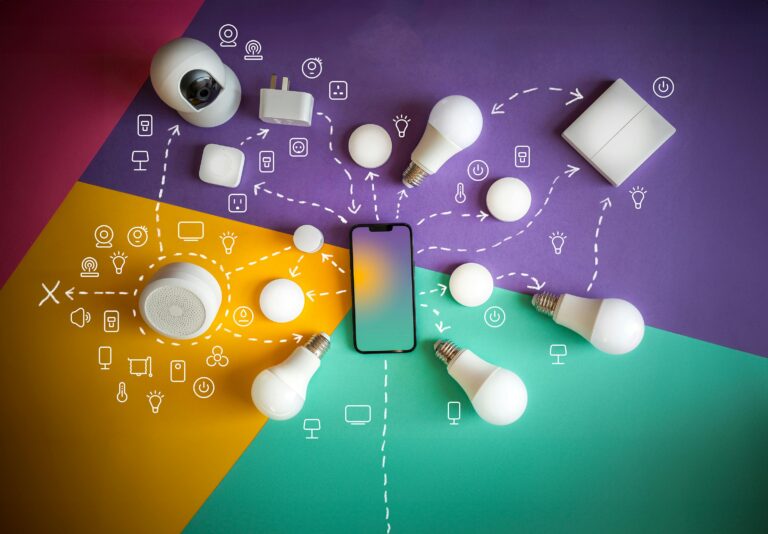
Not all smart devices require the same infrastructure. Some, like the smart plugs, connect directly to your Wi-Fi network and are simple to use. Others, like the Philips Hue system, use a dedicated “hub” (a small bridge device) that communicates with the bulbs via a different protocol. Hubs are not a drawback; they are a sign of reliability. They create a stable, dedicated network for certain types of devices, which is far more reliable than relying solely on your home Wi-Fi bandwidth. When budget allows, always look for devices that utilize a hub for critical functions like lighting or security.
Focus on Routines, Not Just Gadgets
The true value of a smart home is not in the individual gadgets, but in the routines they create. A smart home should do things automatically. Instead of manually turning off five different lights every night, you want a single command (“Alexa, good night”) that triggers a sequence: lights off, garage door locked, thermostat lowered. When budgeting, think less about the number of devices and more about the number of problems you want to solve automatically. Start small—maybe automating your coffee maker or setting your lights to mimic natural sunset—and build from there.
Frequently Asked Questions About Smart Homes
What are the best smart home devices for beginners?
Based on our research, the best starting devices are those that offer immediate, high-impact convenience without requiring complex wiring or setup. We recommend starting with a smart speaker (like the Amazon Echo Dot or Google Nest Mini) paired with a few smart plugs (like the Amazon Smart Plug). This combination allows you to establish voice control and automate existing appliances, giving you a complete, functional, and low-risk entry into the technology.
How do I get started with smart home devices?
The best method is the “crawl, walk, run” approach. Crawl: Start with the lowest commitment items, like a smart plug. This lets you learn the basic setup process (app download, pairing, voice command) without spending a lot of money. Walk: Once comfortable, upgrade to a smart speaker and add smart lighting (like Philips Hue) to automate ambiance. Run: Finally, tackle major systems like smart locks or video doorbells (Ring) to achieve full home automation.
What should I look for when buying smart home devices?
Always check two things: Compatibility and Protocols. First, ensure the device works with your chosen voice assistant (Alexa or Google Assistant). Second, check if the device requires a dedicated hub or if it connects directly to Wi-Fi. For reliability and scale, devices that utilize a dedicated hub (like Hue) are generally more robust than those that rely solely on Wi-Fi.
Are smart home devices worth the investment?
Yes, they are, but it’s important to manage expectations. Smart devices are not magic; they are tools that enhance convenience and security. They are worth the investment if they solve a genuine, recurring annoyance in your daily life—such as forgetting to turn off a light, or needing to know if the door was locked. The value comes from the automation and the peace of mind, not just the hardware itself.
What is the most affordable smart home devices for beginners?
Hands down, the Amazon Smart Plug is the most affordable and effective starting point. At a low price point, it allows you to automate existing appliances, proving the core concept of smart home technology without a large financial commitment. The Amazon Echo Dot is also highly affordable and provides the necessary voice control foundation to make the plugs truly useful.
Which smart home devices brands are most reliable?
While many brands exist, reliability often comes down to the product category. For general voice control and connectivity, major ecosystems like Amazon (Alexa) and Google (Assistant) are reliable. For specific functions, industry leaders are key: Philips Hue is the gold standard for smart lighting, and Ring is highly reputable in the security camera space. Always check the user ratings and review count, as this indicates proven, real-world reliability.
Final Verdict: Your Perfect Smart Home Starter Kit
If we had to select one ultimate “starter kit” for the average, tech-curious beginner, our recommendation is a combination approach. Start by purchasing the Amazon Smart Plug ($24.99) and the Amazon Echo Dot ($49.99). This pairing gives you the foundational voice control and the immediate ability to automate simple, high-impact items like lamps or fans.
Once you are comfortable with the routine and the setup process, your next investment should be either the Philips Hue Starter Kit (for ambiance) or the Ring Video Doorbell (for security), depending on whether your priority is convenience or safety. By following this phased approach, you build confidence, expand your capabilities, and ensure that every dollar spent contributes to a truly effortless and smart home.